How to Integrate Website Design and Digital Marketing for a Winning Strategy

In today’s digital landscape, it’s not enough to have a beautiful website. If you want to attract and retain customers, you need a website that is optimized for digital marketing. This means that your website design should be created with digital marketing tactics in mind, and your digital marketing efforts should be aligned with your website design. In this blog post, we’ll explore how to integrate website design and digital marketing for a winning strategy. Design a website that is optimized for digital marketing. The first step to integrating website design and digital marketing is to design a website that is optimized for digital marketing. This means that your website should be designed with a clear and consistent brand message, easy navigation, and high-quality content that is optimized for search engines. It’s also important to ensure that your website is mobile-responsive, as more and more users are accessing websites from their mobile devices. Use digital marketing tactics to drive traffic to your website. Once you have a website that is optimized for digital marketing, the next step is to use digital marketing tactics to drive traffic to your website. This can include search engine optimization (SEO), pay-per-click advertising (PPC), social media marketing, email marketing, and content marketing. SEO is the process of optimizing your website for search engines like Google, so that your website appears higher in search engine results pages (SERPs). This can include keyword research, on-page optimization, and link building. PPC advertising allows you to pay for ads that appear at the top of search engine results pages, which can help you get more visibility and traffic to your website. Social media marketing involves using social media platforms like Facebook, Twitter, and Instagram to reach and engage with your target audience. Email marketing is the process of sending promotional emails to a list of subscribers, with the goal of driving traffic and sales to your website. Content marketing involves creating high-quality content that is designed to attract and engage your target audience, with the goal of driving traffic and sales to your website. Use your website to convert visitors into customers Once you have driven traffic to your website, the next step is to convert visitors into customers. This means that your website design should be focused on conversion rate optimization (CRO), which involves optimizing your website to encourage visitors to take a desired action, such as making a purchase, filling out a form, or signing up for a newsletter. To optimize your website for CRO, you can use tactics like A/B testing, which involves testing different versions of your website to see which one performs better, and heat mapping, which involves analyzing how visitors interact with your website. You can also use tactics like offering special promotions, providing social proof, and creating a sense of urgency to encourage visitors to take action. Conclusion Integrating website design and digital marketing is essential for a winning online strategy. By designing a website that is optimized for digital marketing, using digital marketing tactics to drive traffic to your website, and optimizing your website for conversion, you can create a cohesive and effective online presence that attracts and retains customers.
Small Business, Big Results: How to Grow Your SME in 2023

Small business enterprises (SMEs) often have limited resources to invest in marketing, which can make it challenging to compete with larger companies in the digital space. However, with the right strategies and tactics, SMEs can effectively grow their search engine marketing (SEM) efforts in 2023. In this blog post, we will explore some key ways that SMEs can improve their SEM and drive more traffic and conversions to their website. Define your target audience and keywords Before starting any SEM campaign, it’s essential to identify your target audience and the keywords they use to search for your products or services. Conduct thorough research to understand your audience’s interests, demographics, and search habits, and use this information to inform your keyword strategy. Use tools like Google’s Keyword Planner or SEMrush to identify high-performing keywords that are relevant to your business. Optimize your website for search engines To maximize the effectiveness of your SEM campaigns, your website must be optimized for search engines. This includes having a fast-loading speed website, a mobile-friendly design, and high-quality content that incorporates your target keywords. Additionally, ensure that your website’s meta titles and descriptions accurately reflect the content on each page. Create high-quality ad copy Your ad copy is crucial in attracting potential customers to click on your SEM ads. Create ad Copy that is concise, clear, and highlights the unique value proposition of your business. Use action-oriented language and include a call-to-action that encourages users to take the desired action, such as making a purchase or filling out a form. Leverage retargeting campaigns Retargeting campaigns are a powerful way to re-engage users who have previously visited your website but did not convert. Use retargeting campaigns to show ads to these users as they browse the web, encouraging them to return to your website and complete the desired action. Monitor and optimize campaigns regularly To ensure the success of your SEM campaigns, it’s essential to monitor their performance regularly. Track key metrics like click-through rate (CTR), conversion rate, and cost per click (CPC) to identify areas for improvement. Use this data to optimize your campaigns by adjusting ad copy, targeting, and bidding strategies to maximize performance and return on investment. Conclusion SEM can be a highly effective way for SMEs to drive traffic and conversions to their website. By defining your target audience and keywords, optimizing your website, creating high-quality ad copy, leveraging retargeting campaigns, and monitoring and optimizing campaigns regularly, SMEs can grow their SEM efforts and compete with larger businesses in 2023. Remember, SEM is an ongoing process, and it takes time and effort to see results, so be patient and persistent in your efforts.
The Top Web Development Trends to Watch in 2023

Introduction The world of web development is constantly evolving, with new technologies and trends emerging all the time. As we look ahead to 2023, there are several trends that are poised to shape the future of web development. In this blog post, we’ll explore the top web development trends to watch in 2023 and what they mean for developers and businesses. Progressive Web Apps (PWAs) PWAs offer the benefits of a native app, such as offline functionality and push notifications, while being built using web technologies. With major companies like Twitter and Pinterest adopting PWAs, this trend is set to continue growing in 2023. Voice User Interface (VUI) With the rise of voice assistants like Amazon Alexa and Google Assistant, VUI is becoming increasingly important in web development. In 2023, we can expect to see more websites and apps leveraging VUI to provide a more seamless user experience. Serverless Architecture The serverless architecture eliminates the need for traditional servers, making it a cost-effective and scalable option for web development. In 2023, we’ll likely see more developers adopting serverless architecture to build web apps and services. WebAssembly WebAssembly is a binary format that allows developers to run code written in programming languages like C++ and Rust in web browsers. With its potential for improved performance and security, WebAssembly is expected to gain traction in 2023. Conclusion As we look ahead to 2023, there are several exciting trends in web development that developers and businesses should be aware of. By staying up-to-date with these trends, you can ensure that your web projects are leveraging the latest and most effective technologies.
5 Essential Strategies for Optimizing Your Website for Mobile Users
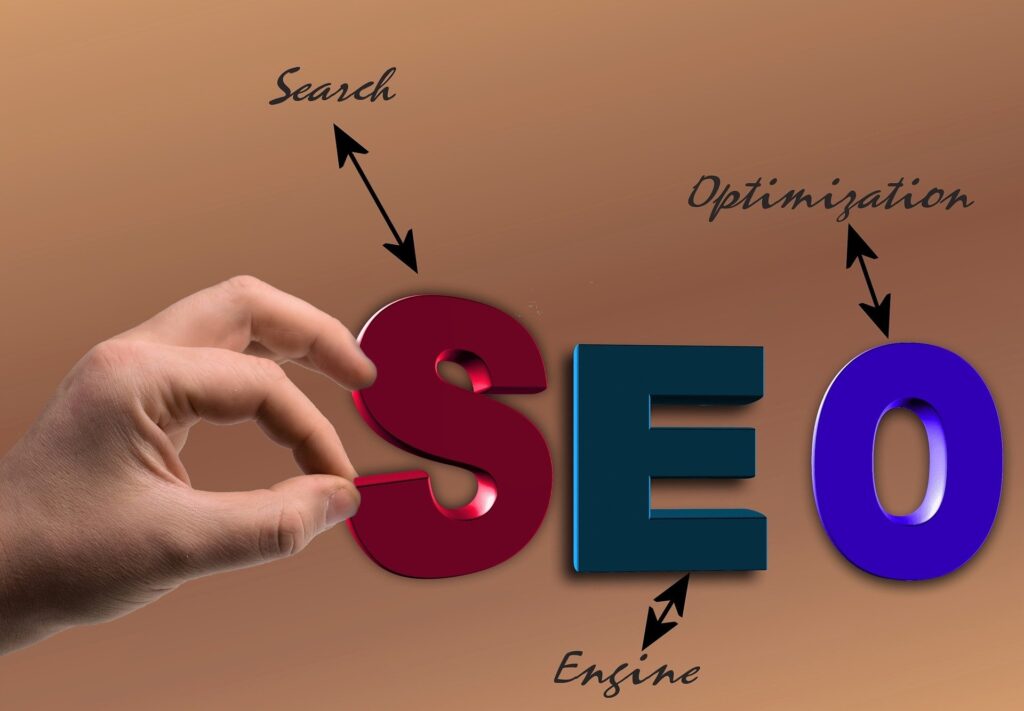
Introduction: In today’s digital age, more and more people are accessing websites on their mobile devices. This means that it’s more important than ever to optimize your website for mobile users. In this blog post, we’ll discuss some key strategies and best practices for optimizing your website for mobile, and help you ensure that your website is accessible and user-friendly for mobile users. Conclusion By following these strategies and best practices, you can optimize your website for mobile users and improve your overall user experience. This can lead to increased engagement, lower bounce rates, and improved search engine rankings.
Top 5 UX Design Trends to Watch in 2023

Introduction: User experience (UX) design is a crucial aspect of any successful website or app. As we head into 2023, there are several exciting new trends emerging in the UX design world. In this article, we’ll explore the top 5 UX design trends to watch for in the coming year. Conclusion: UX design is constantly evolving, and staying on top of the latest trends is crucial for designers and developers who want to create engaging and user-friendly websites and apps. In 2023, we can expect to see more dark mode, personalization, voice interfaces, microinteractions, and accessibility in UX design. By keeping these trends in mind, designers and developers can create experiences that are both functional and delightful for users.
5 Ways to Improve Your Website Ranking

If you run a website, you know that getting your site to rank well in search engines is crucial to driving traffic and generating leads. But with so many websites on the internet, it can be tough to get your website to stand out. Fortunately, there are some proven strategies that can help you improve your website’s ranking. Here are five ways you can boost your website’s ranking and attract more visitors. In conclusion, improving your website’s ranking is an ongoing process that requires time and effort. By implementing these five strategies, you can help your website rank higher in search engines and attract more traffic to your site.